Blessings of Bread – A Sweet Rosca
Rosca have a texture that is similar to challah, but the flavor is unique.

At the henna party beforE our wedding, Neil and I were dressed in the traditional Moroccan costume — embroidered caftans. Neil wore a red fez and I wore an elaborate bejeweled crown and neckpiece. A special moment of the celebration was when Neil’s mother Becky and her friends broke a rosca over my head. This rosca was shaped like a hand with a dough “ring” on one finger and it is a Sephardic custom meant to ward off the evil eye and bless the bride.
This is a tradition with deep roots. On the island of Rhodes, the ceremony was called Bañu de Novia — the bride’s bath. The bride would immerse in the mikvah and after she emerged purified and glowing, her female relatives would sing traditional songs, celebrating her transition. Then they would break a rosca over her head to shower her with blessings and protection.
Whether it’s a Rhodesli-style rosca or a ka’ak from the Syrian Jewish community, the symbolism is the same — invoking protection and good fortune with a bread lovingly shaped by hand.
In Ladino, the Judeo-Spanish spoken by the descendants of Jews exiled from Spain, the word roska means “round.” This festive bread is circular, sweet and just made to be shared.
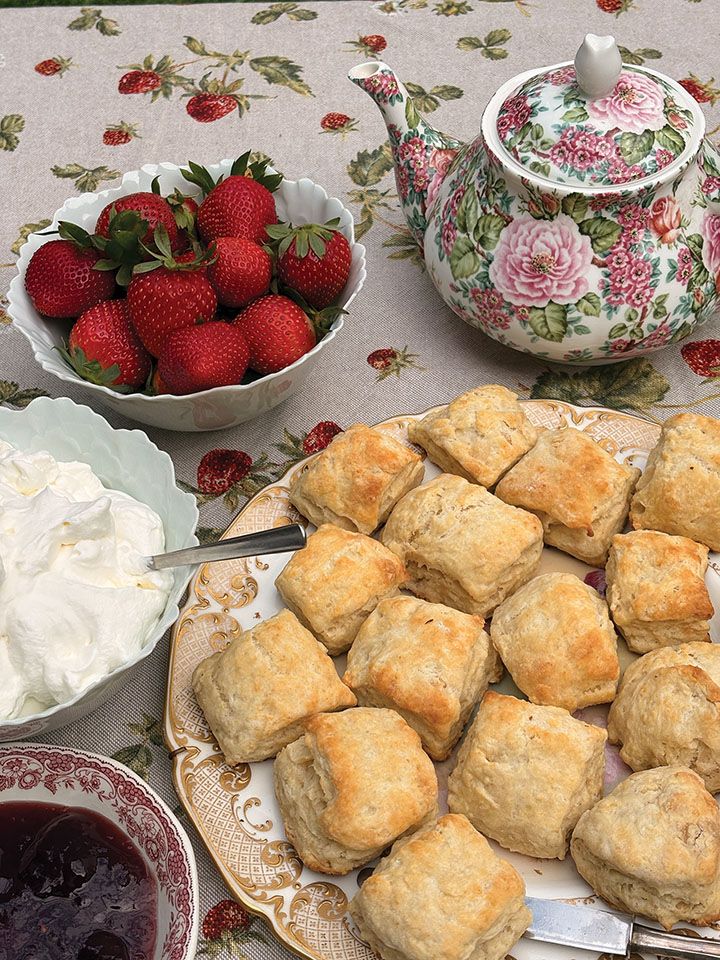
In Sephardic homes, roscas are a staple of the Shabbat desayuno (breakfast). They are also served at tea time alongside feta cheese, homemade jams, black olives and hot black coffee. The braided loaves can also be shaped into smaller rolls known as roskitas or panizikos, which are especially comforting when served warm with fruit preserves.
Neil, who grew up in the Rhodesli community of Los Angeles, remembers that a rosca was always served at lunches and teas. He also told me that during Sukkot, families would hang the loaves inside their sukkah as edible decorations.
Most commonly, rosca are topped with sesame seeds. For special occasions, whole blanched almonds are pressed into the dough before baking, a decorative tradition that is as beautiful as it is delicious.
When our children were growing up, my mother-in-law Becky often made roscas for us and my kids used to fight over the almonds on top, plucking them off one by one before the bread was even sliced. When I began baking my own, I covered the top of the rosca with lots of almonds, so that there would be no need to compete!
I rarely bake rosca because I like to keep them special. I will bring one out for a family brunch, a dairy Shabbat lunch or a High Holy Day meal. Whenever I set one out, I can feel the anticipation — everyone is excited to see the rosca on the table.
Rosca have a texture that is similar to challah, but the flavor is unique. The traditional rosca includes orange blossom which imparts a sweet perfume scent (my mother-in-law baked hers with vanilla). Since Neil and my kids aren’t fans of orange blossom water, I use fresh orange zest instead. It imparts a fragrant citrus lift without an overpowering sweetness.
When baked right, the roscas are light, fluffy, and utterly heavenly. The secret is in the second rise — once the dough is shaped into rings or rolls, allow the dough to rest again. That extra patience makes all the difference.
For me, roscas are more than just bread. They carry the imprint of generations, the warmth of my mother-in-law’s kitchen and the joy of family coming together. Each loaf is a reminder that the most meaningful blessings are often shaped by hand and passed from one table to the next.
—Rachel
Sephardic Rosca (Sweet Bread)
Yields 3 large rings, or 12–15 rolls
2 Tbsp active dry yeast
2½ cups warm water
1 cup sugar
3 large eggs
½ cup avocado oil or other neutral oil
1 tablespoon orange rind or orange blossom water.
8–10 cups all-purpose flour
1 egg, for egg wash
Sesame seeds, for topping
Blanched whole almonds, for decoration
Preheat the oven to 350°F. In a small bowl, dissolve the yeast in warm water and let it sit for about 10 minutes, until frothy.
In a large mixing bowl (or stand mixer fitted with a dough hook), add 8 cups of flour. Make a well in the center and add the eggs, sugar, oil, orange rind and the activated yeast mixture. Mix until a soft, medium dough forms, adding additional flour a little at a time as needed. Knead for about 8 to 10 minutes, until the dough is smooth and elastic.
Lightly grease a large bowl with oil. Place the dough inside, turning to coat lightly. Cover with a clean towel. Let rise in a warm place until doubled in size, about 1½ hours.
Punch down the dough and divide it into 6 pieces. Knead each piece lightly.
Cut and shape into small rolls, roskitas, or braid and form into rings. Place on a parchment-lined baking tray, spacing rolls ½“ apart (if forming a ring, or evenly spaced as individual rolls). Cover with a towel and let rise again for about 30 – 40 minutes, until puffed and nearly doubled in size.
Beat the remaining egg and brush over the tops of the dough. Sprinkle generously with sesame seeds.
Using the tip of a sharp knife, make small slits on the top and gently press a blanched almond halfway into each slit. Repeat as desired.
Bake for 20 – 25 minutes, until golden brown. Let cool on a wire rack.
Baked roscas freeze beautifully. Store in airtight containers or zip-top bags once fully cooled.
As a young girl, I took it for granted that my grandfather and father would shop for food. I remember my grandfather would stock their garage with huge sacks of rice and large mesh sacks filled with onions and boxes of tomatoes.
My father took great pleasure in buying boxes of fruit from the wholesale produce market. Summer was the most exciting season with all its abundance. Bright red, juicy watermelon. Dark ruby, sweet fleshy cherries. The mangoes — Australian mangoes have a sweet, creamy flesh with a deep intoxicating aroma.
He especially loved apricots. As their short season was coming to an end, he would ask my mother to prepare the “mishmish” into a jam.
There is nothing quite as satisfying as eating a homemade jam (my Aba loved his with a chunk of cheese and a fresh bread roll).
—Sharon
Easy Apricot Jam
2 pounds fresh apricots
1 cup granulated sugar
¼ cup freshly squeezed lemon juice (about 1 medium lemon)
½ cup water
Wash the apricots thoroughly. Cut them in half, remove the pits, and place the fruit in a wide, heavy-bottomed pot.
Add the water and bring to a gentle simmer over medium heat. Cook for about 10 minutes, stirring frequently, until the apricots begin to break down and become soft and pulpy.
Stir in the sugar and lemon juice. Lower the heat and continue to simmer for 40 to 45 minutes, stirring often, until the jam thickens and the apricots are completely broken down. Keep cooking until it reaches a smooth, jammy consistency.
Carefully ladle the hot jam into clean, glass jars. Allow to cool completely before storing in refrigerator.
Sharon Gomperts and Rachel Emquies Sheff have been friends since high school. The Sephardic Spice Girls project has grown from their collaboration on events for the Sephardic Educational Center in Jerusalem. Follow them
on Instagram @sephardicspicegirls and on Facebook at Sephardic Spice SEC Food.