The Heart of Cooking Healthy Green Rissoles
No matter where you’re born or how you were raised, one thing is certain — the more vegetables you place on the table, the more your family will learn to love them and expect them

My Nana Aziza was in her late 20s when she and my grandfather landed in the ma’aborot (transit camps) of Israel. The nascent country was dealing with a large influx of Holocaust survivors, as well as refugees fleeing persecution in Arab lands. From 1949 to 1959, the government imposed Tzena, a policy of austerity and rationing, which resulted in food shortages.
In Iraq, my grandmother was the much adored and very spoiled daughter of Bu’ye, my great-grandfather Yosef Shamash. Along with his duties as keeper of the Tomb of Ezra, he had contracts to supply the British Army, who were in the south of Iraq protecting the interests of the British oil companies. But in Israel, she was a pragmatic young wife and mother, doing everything she needed to do to feed her young family.
As soon as my grandmother had a yard, she purchased a nanny goat for fresh milk and a laying chicken for fresh eggs. She also planted a vegetable garden filled with herbs, tomatoes, zucchini and butternut squash.
My grandfather became the headmaster of a school in Zichron Ya’akov. My mother laughingly recalls that every few weeks, my grandfather would show up for lunch with the supervisors from the Department of Education in tow. These clever men knew that my grandmother was a great cook, so they would time their inspections right before lunch time. Middle Eastern hospitality demanded that they be entertained with utmost courtesy and respect.
The beauty of Iraqi cooking is that simple, inexpensive ingredients are prepared in a delicious way and can be stretched to feed a crowd. My grandmother would take a pound of ground beef and mix it with Italian parsley and onion, encase it in semolina and cook it in a lemony tomato bone broth for a festive Kubbah Hamusta.
She would take a couple of eggs, sautéed onion, tomatoes, crumbled feta and a bit of flour and fry up a fluffy, savory Ajja (frittata).
Aruk, delicious, little golden fried green herb and potato patties, are another creative, healthy staple of the Iraqi kitchen. My grandmother always had them on hand as part of a light lunch, especially on Friday afternoons when everyone was hungry.
My mother is an inspirational cook and she is the master of healthy cooking. In her role as Nana Sue, she takes great pleasure in cooking for her grandchildren — pots of kubbah and rice, mushroom and potato filled burekas, cheese sambusak and baba tamar (date filled cookies), pad Thai and crispy fried wontons.
I love her updated, healthy version of Aruk which includes kale, Italian parsley, green scallion, minced garlic and sautéed onion. To make things even healthier, she finely grinds steel cut oatmeal in her KitchenAid to replace the traditional mashed potato to bind the rissoles. She even grates fresh turmeric for added antioxidants.
Like my grandmother before her, every Friday my mum has heaping platefuls of these green rissoles in her kitchen for her children and grandchildren to enjoy.
Rachel and I share the recipe with our own updates. We added baby spinach and caramelized sautéed leeks for added deliciousness. And we subbed potato starch and gluten-free panko for the oatmeal.
Awafi — to your good health.
—Sharon
The Mediterranean diet may be trending, but for my Moroccan mother, it was simply the way she cooked. Every meal she made was colorful, balanced and deeply nourishing.
When we lived in Casablanca, my mother cooked three meals a day, every day. Meals seasoned with fresh ingredients and love. When we moved to America, everything changed, except her commitment to feeding us well. Despite working full-time, she still made dinner for us nearly every night.
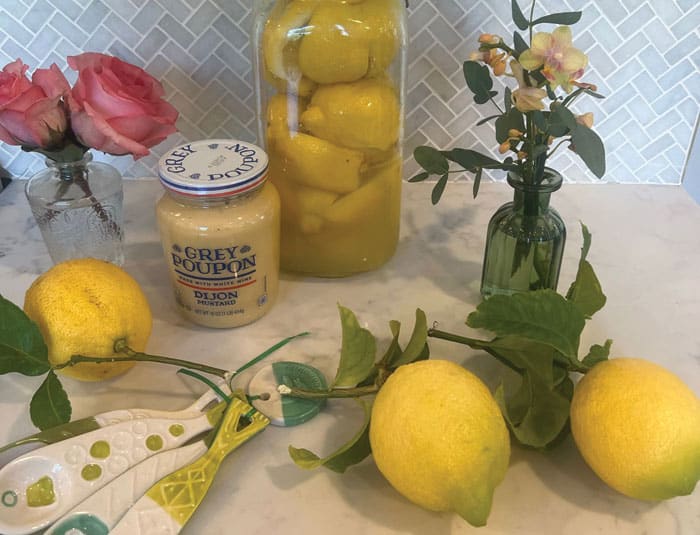
It was the early ’70s and manufactured convenience foods were everywhere. With wide-eyed excitement, my brothers and I dove into this new world of TV dinners, frozen pies, Pop-Tarts and sugary breakfast cereals. My mother resisted the shortcuts, only making exceptions for jars of tomato sauce and frozen peas. Everything else was made from scratch. She kept us grounded with real food: soups full of vegetables and salads bursting with herbs and stews with meat, chicken or legumes. Preserved lemons and lemon juice added brightness to everything.
Now that she’s no longer here, I find myself wishing I could tell her again and again how much respect I have for her. How deeply grateful I am for all she did for us.
What an incredible mother I had. How profoundly lucky I am to be her daughter.
With my own kids, I have tried to pass down that love for vegetables. None of them quite share my passion for beets, and Swiss chard hasn’t caught on either. But they’ve absorbed the bigger lesson — fresh food, thoughtfully prepared, will always taste like home.
No matter where you’re born or how you were raised, one thing is certain — the more vegetables you place on the table, the more your family will learn to love them and expect them. But even more than the vegetables, it’s the love behind the meals that lingers the longest.
—Rachel
Green Rissoles
Avocado oil, for frying
1 large onion, finely chopped
2 medium leeks, white and pale green parts only, finely chopped
5 oz kale
5 oz baby spinach
1 bunch Italian parsley
1/4 cup extra virgin olive oil
1 cup potato starch
1/2 cup gluten free panko
Salt & pepper
1 tsp turmeric
1 tsp granulated garlic powder
1 large egg
Warm 1 tablespoon of avocado oil in a frying pan over medium heat. Add onions and sauté until caramelized. Set aside.
Warm 1 tablespoon of avocado oil in a frying pan over medium heat. Add leeks and sauté until translucent and slightly golden. Set aside.
Use a KitchenAid to finely chop the kale and parsley.
Place kale, spinach, parsley, olive oil, sautéed onion and leek, potato starch, panko, salt and pepper, turmeric, garlic powder and egg in a large bowl. Mix all the ingredients until well combined.
Place the mixture into the refrigerator for one hour.
Warm avocado oil in a frying pan over medium heat. Form mixture into 2-inch flat rissoles. Place in skillet and fry until golden brown, then flip and fry the other side.
Rissoles can be stored in the refrigerator in an airtight container for up to five days.
Serve hot or cold, with your favorite dipping sauce.
Sharon Gomperts and Rachel Emquies Sheff have been friends since high school. The Sephardic Spice Girls project has grown from their collaboration on events for the Sephardic Educational Center in Jerusalem. Follow them
on Instagram @sephardicspicegirls and on Facebook at Sephardic Spice SEC Food